
How Gradiometry is used in building planning
- Posted by:
- Admin
- Tags:
- gradiometry, geophysical surveys, archaeological surveys, ground condition surveys
- Posted date:
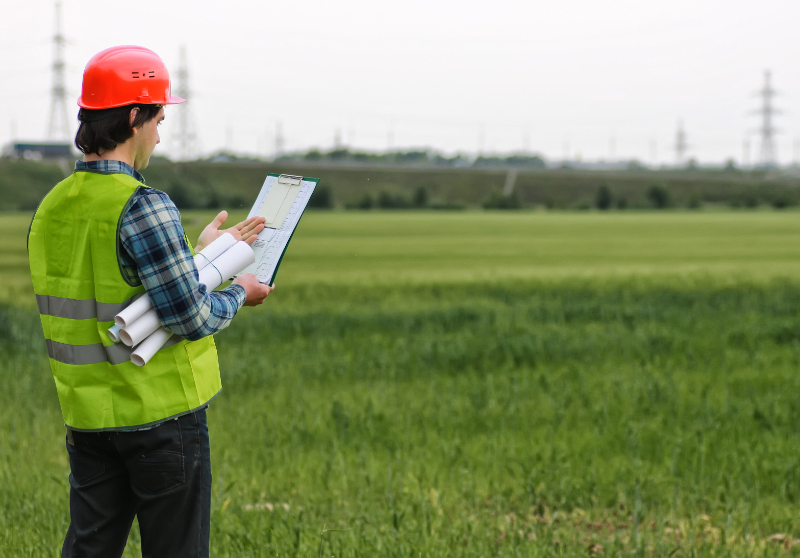
Gradiometry plays an important role in building planning by helping identify possible buried archaeology before construction begins. This article explains how gradiometry surveys work, what they can find, and why they are useful for developers, planners, and heritage specialists. Gradiometry is a way of measuring small changes in the Earth’s magnetic field across a piece of land. A gradiometer uses two sensors that are set...
Posted by:Admin on: Read More
Uses of geophysical surveys on historical sites
- Posted by:
- Admin
- Tags:
- geophysical surveys, archaeological surveys, ground mapping, geophysical and resistivity surveys
- Posted date:

Geophysical surveys are a useful way to explore historic sites without excavating the ground. This article explains how different survey methods can help archaeologists find buried walls, foundations, ditches, pits, roads, graves, and settlement layouts. It also looks at how these surveys help with planning excavation work, site management, and heritage protection across the UK. Geophysical surveys are used to study what is below...
Posted by:Admin on: Read More
How is resistivity used in archaeology
- Posted by:
- Admin
- Tags:
- resistivity surveys, archaeology surveys, geophysical landscaping, guide to resistivity
- Posted date:

Resistivity is an important archaeological survey that helps reveal what may be hidden beneath the ground without digging. This article explains how resistivity works, why soil moisture affects the results, and how different readings can point towards buried walls, ditches, floors, foundations, and other features. Resistivity is a way of looking for buried features without digging. It's a survey method that measures how strongly the...
Posted by:Admin on: Read More